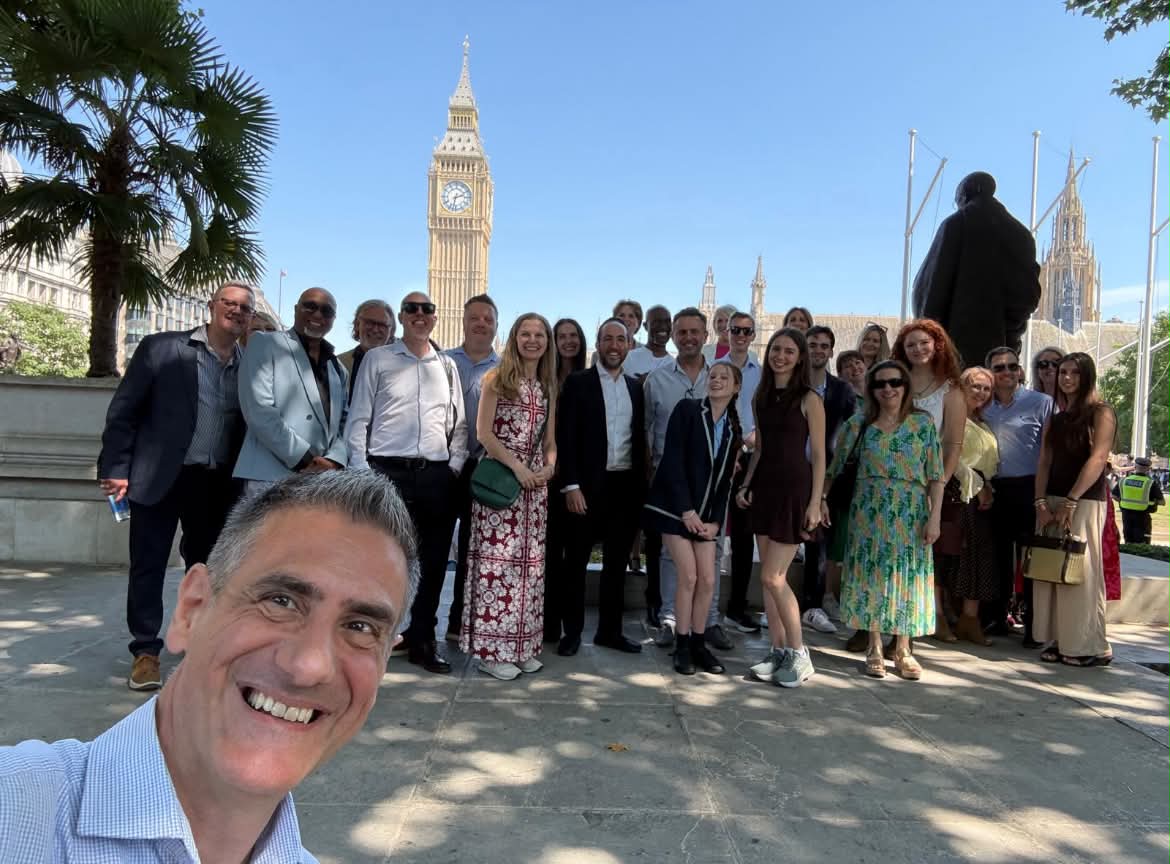
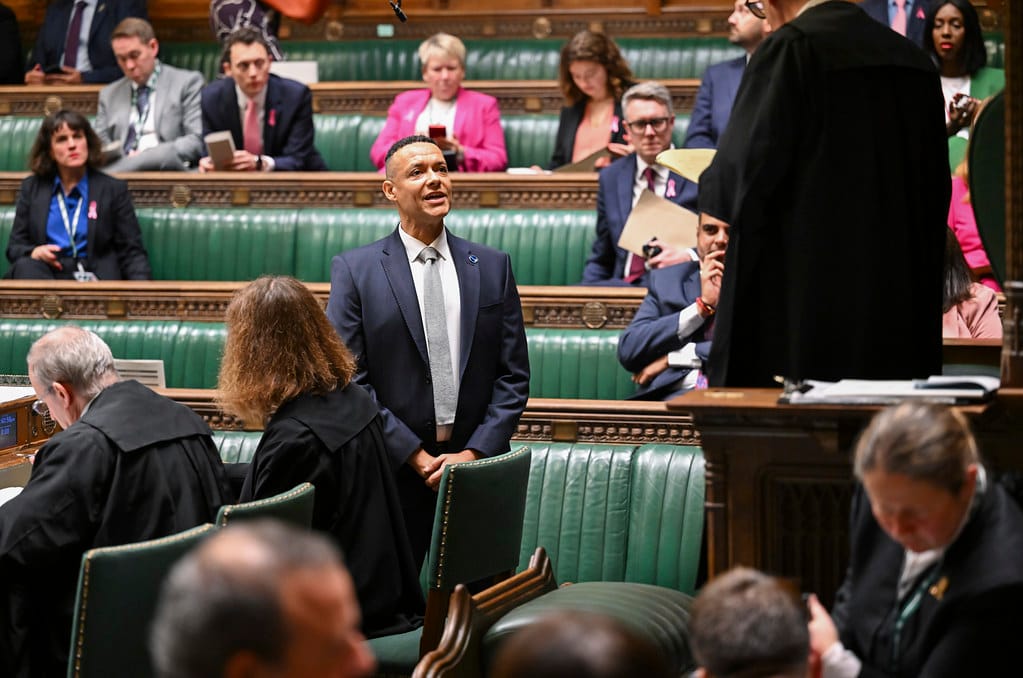
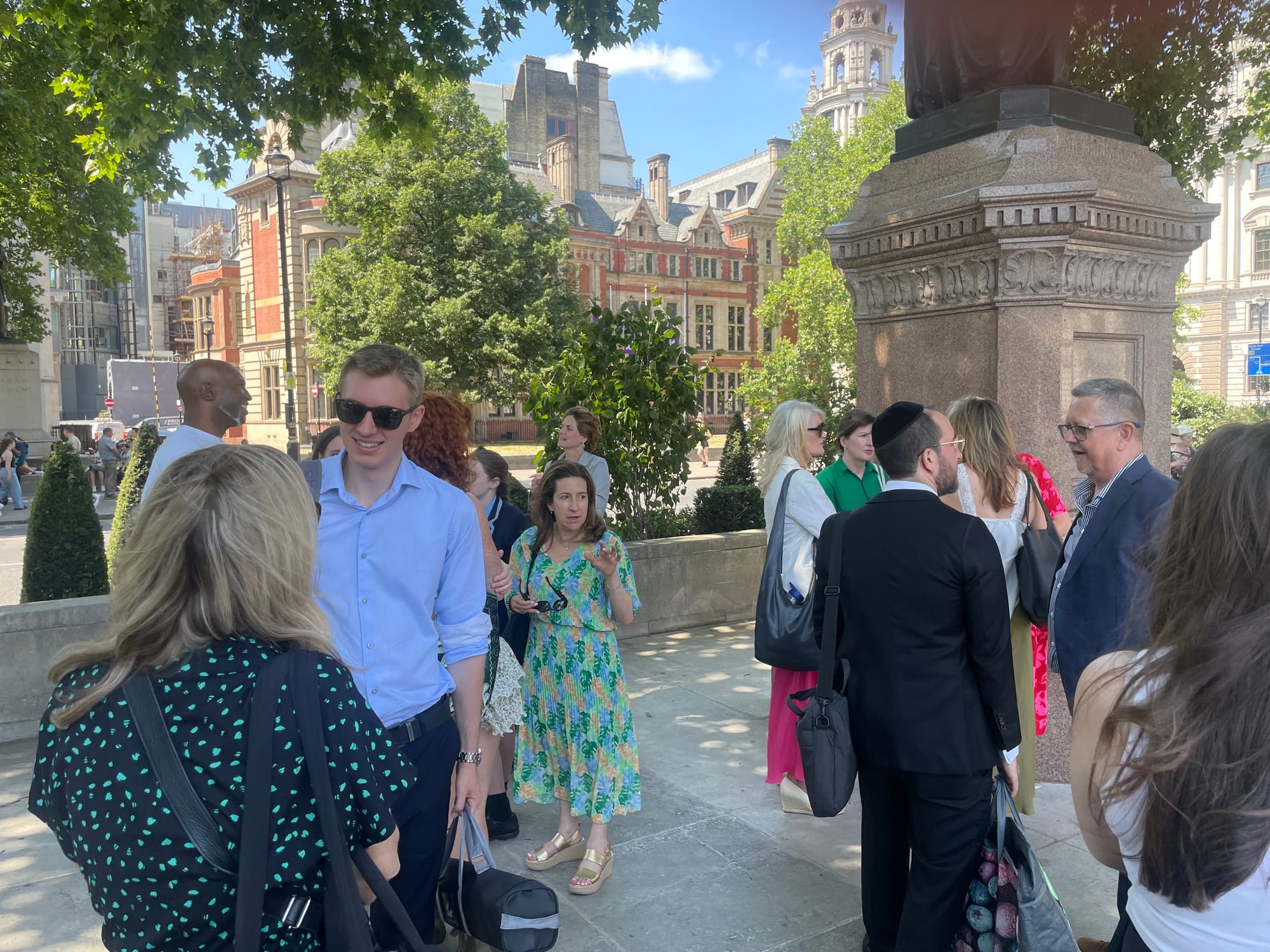
On Monday 13th July, Rebel Telecom joined parliamentarians, educators and digital wellbeing leaders at the Houses of Parliament for the cross-party discussion Beyond the Ban: Building Digital Resilience for the Next Generation. Hosted by Clive Lewis MP, the event brought together voices including Baroness Beeban Kidron, Lou Robey of Work Ready Collective and our very own Co-Founder, Munur Shah.
While the proposed social media ban dominated the headlines, the conversation in Parliament quickly evolved into something much bigger. One question emerged time and time again:
What comes after the ban?
Throughout the discussion one thing was clear: the planned social media ban isn’t enough. As Clive Lewis MP put it: “My personal view is a ban on social media is a sticking plaster. It doesn’t get away from the fact that you have companies, that are creating technology, whether software and hardware, that is intrinsically addictive.”
Restricting access may be an important first step but it can’t be the last. Unless we address how technology is designed, we risk delaying the problem rather than solving it.
At Rebel Telecom, we’ve believed this from the very beginning. The future isn’t about banning technology. It’s about building technology that is intentionally designed for children while simultaneously providing education about how to use it safely. Thus empowering parents, supporting schools and helping young people develop healthy digital habits that will last a lifetime.
Munur Shah’s Address
Our co-founder began his speech by sharing the personal experience that led him to creating Rebel Therapies and Rebel Telecom. More than ten years ago, after spending several hours scrolling on his phone without noticing his family, he realised that something had to change. Not only in his life, but in the way technology itself is designed.
Around the same time, his daughter experienced online bullying, and his son was gaming with strangers online. Those experiences collided, leading him to leave his previous career and dedicate himself to understanding the impact of technology on children and families.
His research led him to a simple and profound conclusion.
Technology isn’t broken. It is doing exactly what it is designed to do: capture attention, maximise engagement and generate profit.
The challenge isn’t the smartphone itself. The real issue lies in the business models and behavioural design that underpin many of today’s digital platforms.
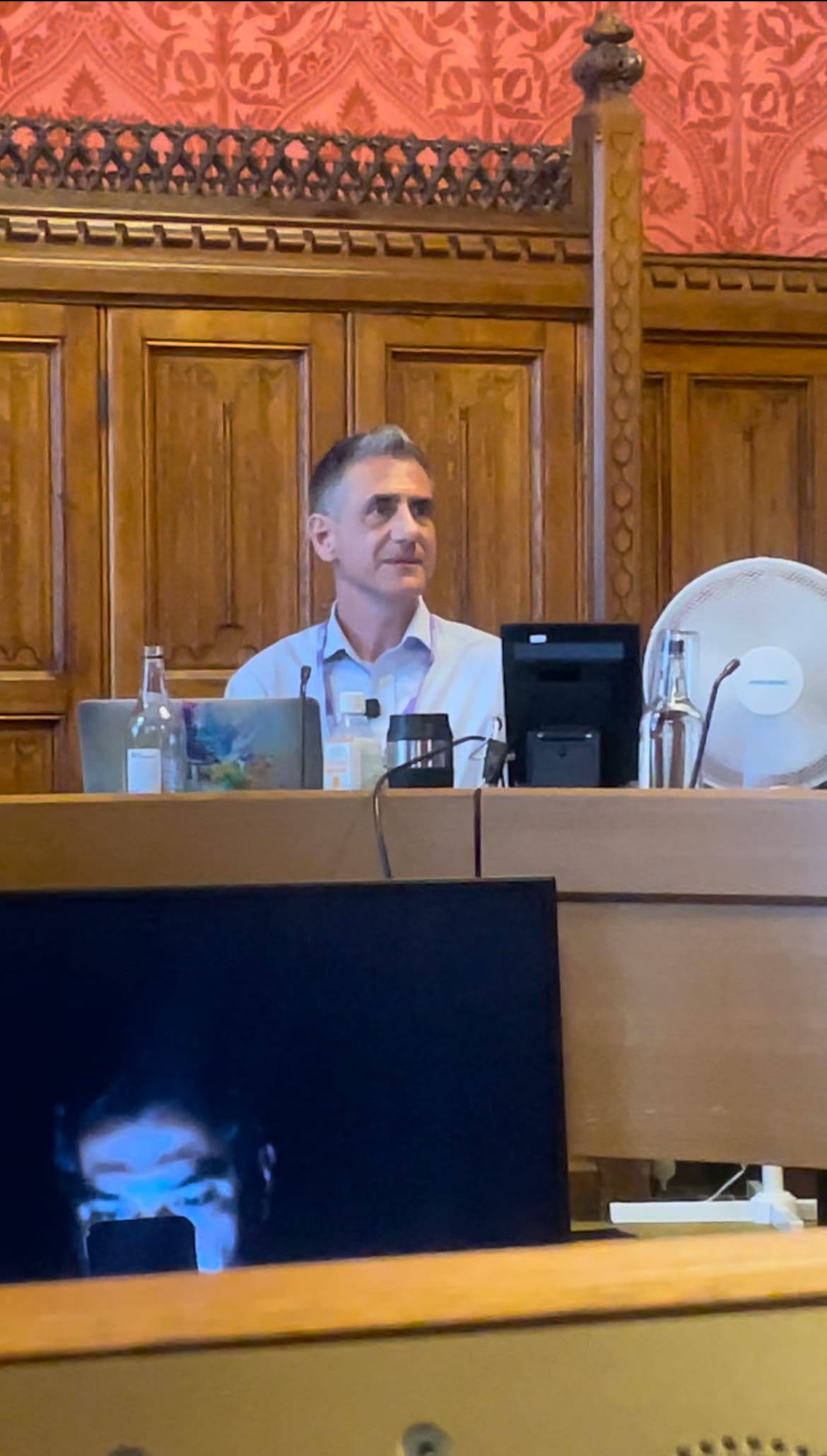
Munur challenged one of the biggest assumptions in today’s debate: that children should simply learn to use technology designed for adults. As he explained, giving children an adult smartphone with parental controls is like handing them, “a Ferrari with training wheels.” Restrictions alone can’t solve a problem rooted in the design of the technology itself.
Instead, he argued that children deserve technology created for children, from the ground up, with safety, wellbeing and learning built in from the start rather than an added afterthought.
Education formed another central part of his message.
Through his work, Munur has seen first-hand that parents, teachers and children are facing the same challenges from different perspectives.
Parents want to keep their children safe online but don’t know how.
Teachers are increasingly dealing with behavioural challenges linked to excessive screen use and social media.
Children themselves admit they struggle to stop scrolling, despite knowing it isn’t making them happier.
The conclusion is clear: willpower alone isn’t enough. Children need devices built for them to support healthier behaviour, alongside education that helps them build judgement, resilience and digital confidence.
Munur argued that society needs to move beyond simply debating social media bans. With artificial intelligence becoming part of every child’s future, the goal should be to prepare children to thrive alongside technology, developing judgement, resilience, empathy and critical thinking rather than simply restricting access.

He introduced Rebel Telecom as one example of this philosophy in practice: a child-first smartphone ecosystem built without social media or browsers, supported by powerful parental controls and a curated app store. However, he emphasised that Rebel is only one part of a wider solution, alongside education, schools, parents and regulation.
Munur closed with a vision for a future where technology is intentionally designed, parents feel empowered, schools are better supported and children grow up with technology that serves them, rather than expecting them to serve technology.
What Parliament is Beginning to Recognise
A Ban is Only The Beginning
Although the event centred around the proposed social media ban, there was broad agreement that restricting access alone won’t solve the problem.
A ban may buy time, but it doesn’t address why so many digital products have become harmful in the first place. If children are simply introduced to the same platforms a few years later in their teenage lives, the underlying issues remain unchanged.
Technology Should Work for Children
One of the strongest themes to emerge throughout the afternoon is that, for too long, we've expected children to adapt to technology, rather than asking whether technology should adapt to them.
Several speakers argued that today’s platforms have been designed to maximise attention and engagement, making this fundamentally a design problem rather simply a content problem.

If we genuinely want to change children’s relationship with technology, we must start designing products that prioritise wellbeing over screentime, healthy habits over endless engagement, and long-term development over short-term profits.
Education Must Sit Alongside Regulation
There was also a shared recognition that no single intervention will be enough.
Regulation has an important role to play in holding technology companies to account, but education is equally important.
Teachers need tools to navigate an increasingly digital classroom.
Young people need the knowledge to recognise persuasive technology, understand online risks and develop healthy digital habits that will serve them throughout their lives.
Rather than treating these approaches as competing ideas, the parliamentary speakers saw them as complementary. Regulation can make technology safer, but education is required to help children develop the judgement and resilience they’ll need to navigate online spaces.
This Is Everyone’s Responsibility
Perhaps the strongest message to emerge from the discussion was that building a healthier digital future cannot rest with government alone.
Parents, schools, campaigners, businesses and technology companies all have shared responsibility to rethink how children experience technology.
The discussion in Parliament ended with a sense of optimism that the conversation is changing.
The question is no longer simply whether children should have access to technology. The real challenge is creating technology worthy of children, and this requires policymakers, educators, parents and innovators to work together.
At Rebel Telecom, we believe the future belongs to organisations prepared to build that future, not simply debate it. We are proud to be a part of a growing movement that believes children deserve better than simply adapting to products built for adults.
Because moving beyond the ban isn’t about limiting children’s future. It’s about building technology that helps them flourish.